
Two numbers came out in early October 2026, and together they show where India’s office market is heading.
The first: companies leased a record 66.4 million sq ft of offices across India’s nine biggest cities between January and September, according to CBRE. The second is the surprising one. In the July to September quarter, the biggest takers of that space weren’t technology firms or banks. They were flexible workspace operators, with 24% of all leasing.
In plain words, more and more Indian companies no longer rent an empty floor from a landlord and build an office on it. They rent a ready one from an operator. So if you’re planning an office move in the next year, flexible office space is an option you have to weigh, even if you end up signing a traditional lease.
This guide explains what it is, why it’s growing so fast, what it costs in Bengaluru, and how to tell whether it suits your team.
The short answer: A flex office is a furnished, serviced office that you rent per seat on a short commitment, from a month to about three years. It suits teams that are growing, new to a city or unsure of their headcount, because there’s no fit-out cost and far less money locked in deposits. A traditional lease usually works out cheaper only when you’re confident you’ll stay five years or more at a steady size.
What is flexible office space?
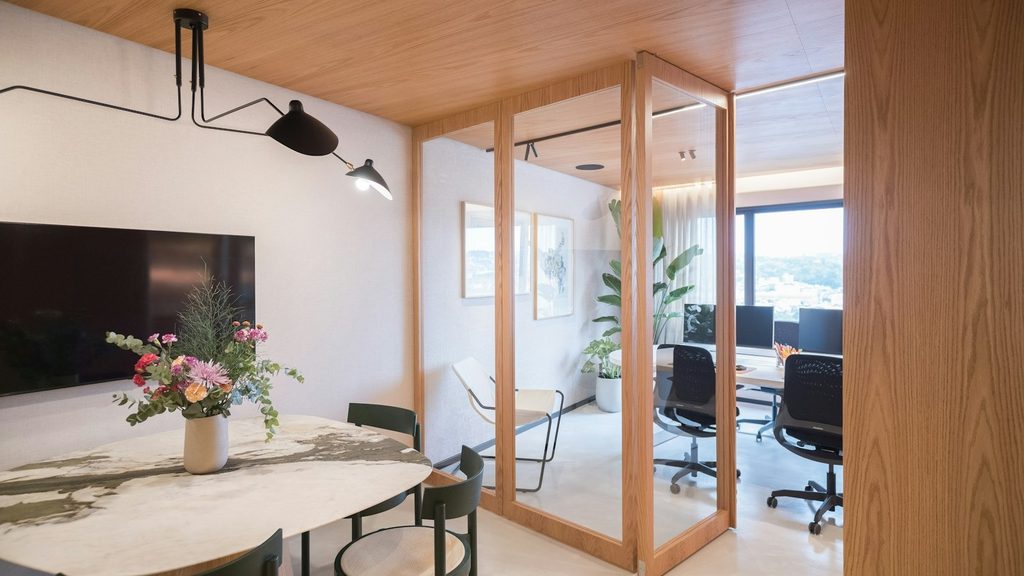
It’s an umbrella term for any office you can occupy without signing a long lease and building the interiors yourself. An operator takes the space from the landlord, fits it out and runs it, then charges you a monthly fee per seat.
You’ll come across three formats.
| Format | What you get | Typical commitment | Best for |
|---|---|---|---|
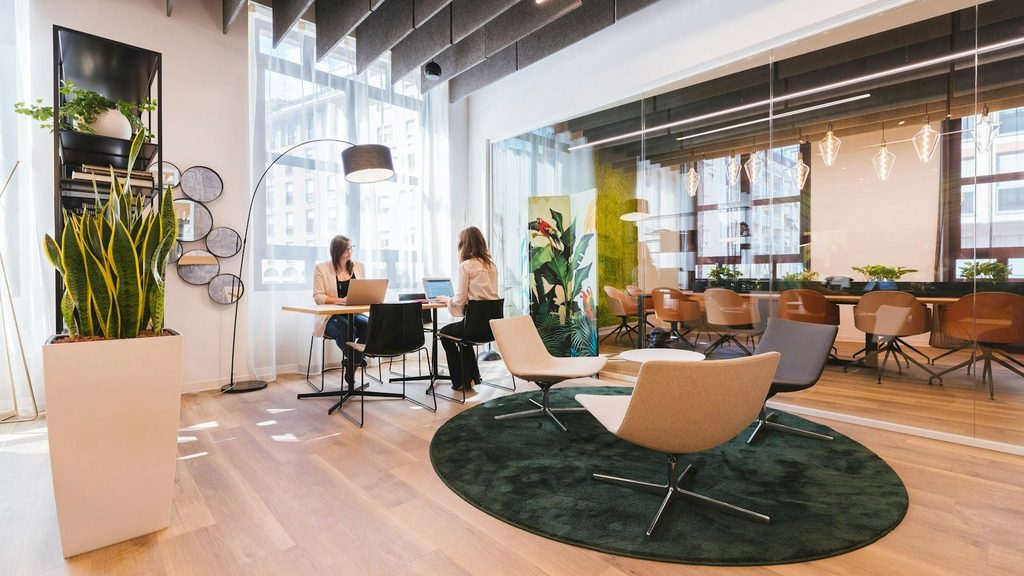
| Coworking desk | A desk in a shared centre, with shared meeting rooms and pantry | Monthly | Freelancers and teams of up to about 10 |
| Private cabin | A lockable room for your team inside a shared centre | 6 to 12 months | Teams of 5 to 30 |
| Managed office | A private office or whole floor, built to your brief and run by the operator | 1 to 3 years | Teams of 20 to several hundred |
The fee normally covers rent, furniture, internet, housekeeping, power backup, reception and maintenance. That’s a large part of the appeal: one bill instead of a dozen.
How big has it become?

Bigger than most people realise. Here’s what the latest research shows.
- Flex is driving the growth. Flexible workspace operators leased 12.6 million sq ft in January to September 2026, up 37% on a year earlier, says Colliers. Conventional leasing was flat at 41.8 million sq ft. Almost all of this year’s growth came from flex.
- It’s speeding up. In the third quarter alone, operators took about 4 million sq ft, up 49% year on year.
- It leads every other sector. In CBRE’s third-quarter figures, flex operators took 24% of leasing, ahead of banking and financial services at 22% and technology at 15%.
- The stock has tripled. India had 110 to 114 million sq ft of flexible offices by 2025, three times the 2020 figure, across more than 500 operators and 2,600 locations, according to a CBRE and FICCI report.
- Bengaluru is the largest market. The city holds 30 to 32 million sq ft of that stock, and operators leased another 2.8 million sq ft there in the first nine months of 2026.
One note on the numbers. CBRE counts nine cities and Colliers counts seven, so their totals differ. The direction is the same in both.
What does the record year mean for tenants?
Mostly, that good space is going quickly. Colliers puts vacancy across the top seven cities at about 16%, and average rents were up 7% on a year earlier in the third quarter. The best buildings in the best locations fill first, whether a company or an operator takes the floor.
Quality matters more as well. CBRE found that 82% of the space leased in the third quarter was in green-certified buildings. When you compare flex options, ask which building the centre sits in and what certification it holds. A cheap seat in a tired building is rarely a bargain once your team has to work there every day.
Why is it growing so fast?
Five things are pushing companies towards flex.
- Speed. A ready office can be yours in weeks. A traditional lease means months of design, approvals and fit-out before anyone sits down.
- No fit-out bill. Building interiors in a leased office typically costs Rs.800 to Rs.1,500 per sq ft. In a flex office the operator pays that, and you pay it back gradually through the seat fee.
- Uncertain headcount. Few companies can say how many people they’ll have in three years. Flex lets you add or drop seats without breaking a lease.
- Global companies arriving. Global capability centres took about 42% of all office space leased in India this year, CBRE says, and global firms make up 55% to 60% of flex demand. Many start in a managed office and decide on a long lease later.
- Smaller cities. Tier-2 cities now have more than 575 flex centres, and Vestian’s research puts the saving at up to 50% compared with the metros.
The people who track this expect it to continue. Vimal Nadar, head of research at Colliers India, says flex “could potentially form 20-25% of occupiers’ real estate portfolios over the next few years”, up from 15% to 20% today.
How much does flexible office space cost in Bengaluru?
Prices depend on the area, the building and the finish. As a planning guide for 2026:
- Coworking desks: about Rs.8,000 to Rs.15,000 per desk per month
- Managed offices: about Rs.8,000 to Rs.15,000 per seat per month in the mid-market, rising to around Rs.24,000 in premium buildings
- Traditional leases, for comparison: Rs.55 to Rs.250 per sq ft per month for Grade A space, plus maintenance, fit-out and a larger deposit
Per-seat prices look high next to per-sq-ft rents, so here’s a fairer comparison for a 50-person team.
| Managed office | Traditional lease | |
|---|---|---|
| Monthly bill | Rs.6.0 lakh | Rs.5.04 lakh |
| Fit-out cost | Included | Rs.54 lakh |
| Deposit | Rs.12 lakh | Rs.27 lakh |
| Cash needed on day one | Rs.12 lakh | Rs.81 lakh |
| Total over 3 years | Rs.2.16 crore | Rs.2.35 crore |
| Total over 5 years | Rs.3.60 crore | Rs.3.56 crore |
Illustrative. Assumes 50 seats at Rs.12,000 each, or 4,500 sq ft at Rs.100 rent and Rs.12 maintenance per sq ft, fit-out at Rs.1,200 per sq ft, and deposits of two months and six months. Totals leave out deposits, GST, yearly increases and the lease’s own running costs such as internet, power and housekeeping.
The pattern holds in most real cases. Flex costs more each month but far less on day one. Over three years it’s cheaper. Around five years the two meet, and beyond that the lease pulls ahead, as long as your team stays the same size.
Where in Bengaluru should you look?
Start with where your people live, then match the format to the area.
- Outer Ring Road and Whitefield have the largest managed floors, which suits teams of 100 or more and global capability centres.
- The CBD, MG Road, Indiranagar and Koramangala have smaller centres with cabins and coworking desks, which suits client-facing firms and start-ups.
- North Bengaluru and Hebbal are worth a look if your team travels often, since they sit closest to the airport.
A seat that looks cheap can cost you in attrition if it adds an hour to everyone’s commute.
When does it make sense, and when doesn’t it?
Flex is usually the better choice when:
- You need the office within the next two or three months
- Your headcount could rise or fall by more than 20% in two years
- You’re entering a new city and want to test it first
- You’d rather keep cash for hiring than lock it into interiors and deposits
A traditional lease is usually better when:
- You’re sure of your size for five years or more
- You need a highly customised space, such as labs or secure rooms
- You want your own entrance, signage and full control of the floor
- You have the cash and the team to build and run an office
Many companies now do both: a leased headquarters for the stable core, and flex seats for new teams and new cities.
What should you check before you sign?
A flex agreement is shorter than a lease, but these seven points decide how good the deal really is.
- What the fee includes. Ask about parking, meeting-room hours, after-hours air-conditioning and GST. These are the usual extras.
- Lock-in and notice. Know the minimum term and how many months’ notice you must give to leave or shrink.
- Yearly increase. Most agreements raise the fee every year. Get the percentage in writing.
- Deposit. Check the amount and how quickly it’s refunded when you leave.
- The operator’s own lease. The operator rents from a landlord too. Ask how long their lease runs, so yours doesn’t outlast it.
- Privacy and IT. Confirm you get your own network, access control and, if you want it, your own branding.
- Room to grow. Ask for first right on nearby seats or the next cabin, so growth doesn’t force a move.
How Login Realty helps
Choosing flexible office space isn’t hard. Choosing the right operator, building and terms from dozens of options is. That’s the part we handle.
- Side-by-side comparison of managed offices, coworking spaces and conventional offices for your team size and budget
- Verified options in every major Bengaluru corridor, from Whitefield and Outer Ring Road to the CBD and North Bengaluru
- Zero brokerage on office space for rent in Bangalore
- Negotiation support on seat price, lock-in, yearly increases and deposits, backed by more than 30 years in commercial real estate
If you’re still weighing the two routes, our guide to managed office vs traditional office lease goes deeper.


